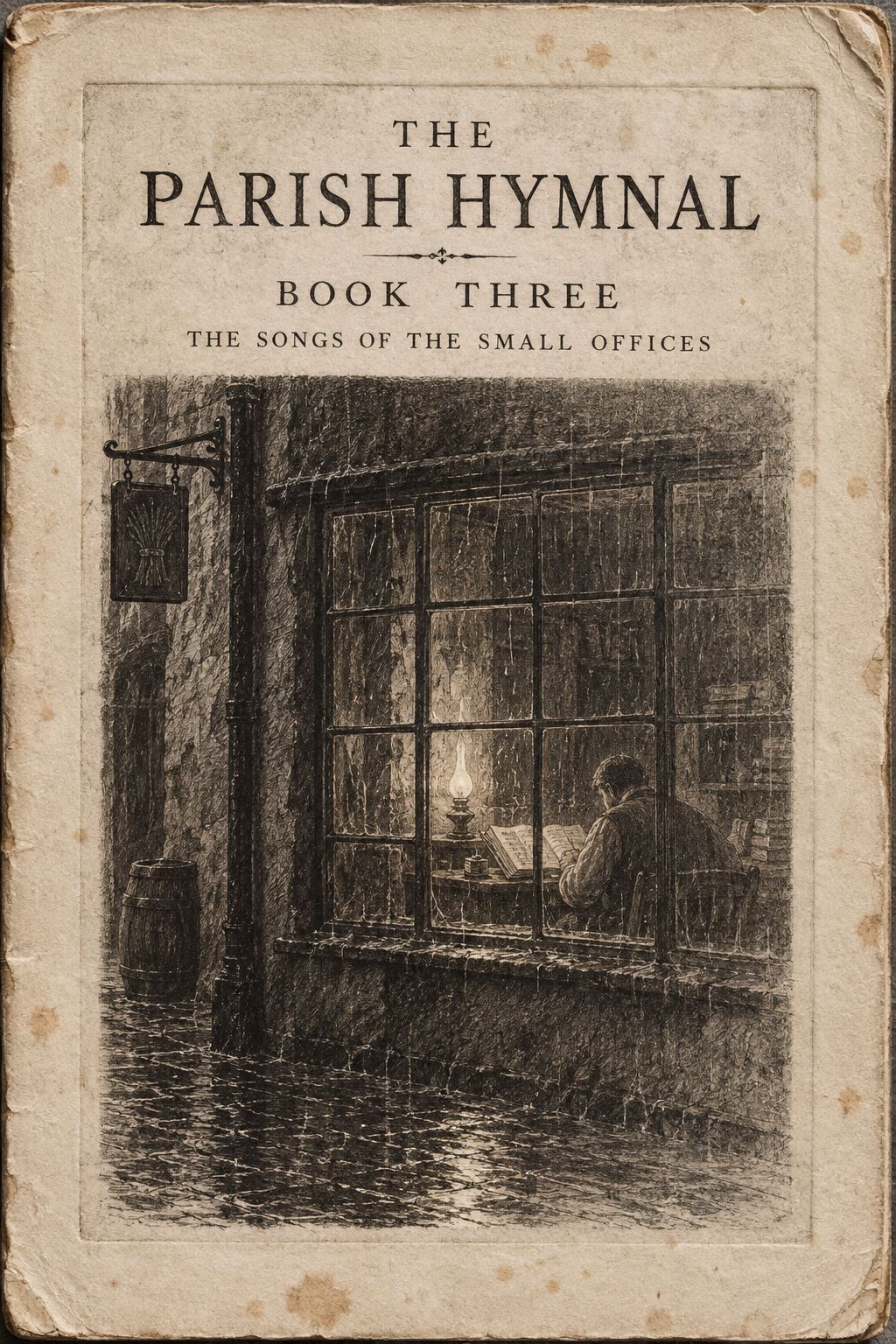
Front cover of The Parish Hymnal, Book Three

The Copper-Needle Room · Drudgeford

Book Three

The Songs of the Small Offices

Book Three · The Songs of the Small Offices
What the parish sings about counting, lending, owing and looking — none of which the chapel would call worship, and all of which is. The parish recordings, embedded whole, sung slightly behind the organist.
Open the songbook

Scratched by Nella Prickett · printed by Orm

In this book

4 songs · words & recordings

Book ThreeSong list ↑
Forty-One
Forty-One
HYMN I

FORTY-ONE

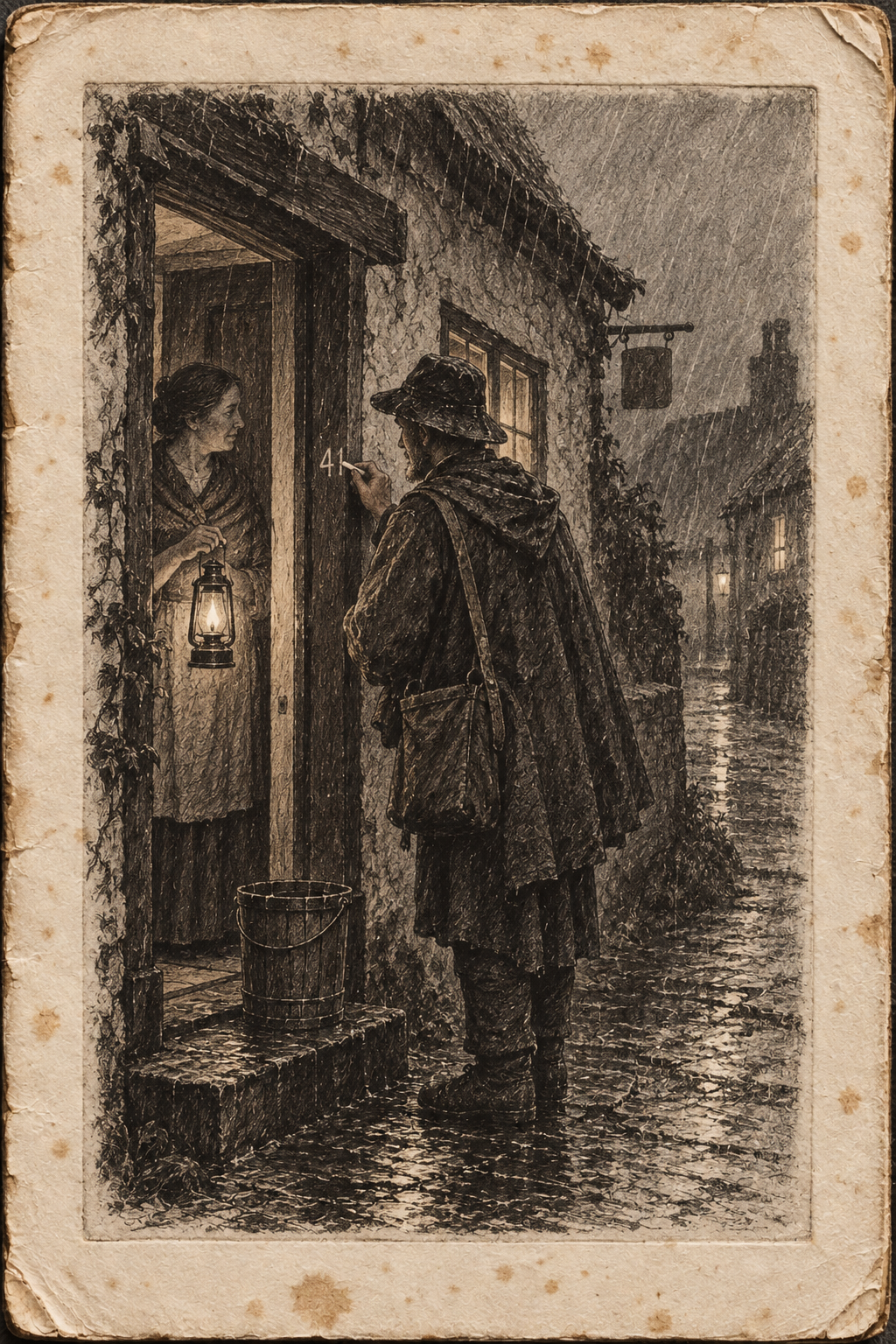
The Bucket-Warden's counting song. Sung going door to door with a bit of chalk; sung since by anybody counting anything. The tune is nothing much and is not the point — the point is that you cannot lose your place in it.
One for the chapel and one for the pew, One for the floor that was going soft through — Chalk it and count it and call it out true: how many buckets has this parish got? Two at the Hobys' and none at the mill, Two at the bakehouse and none up the hill, Nine that have plenty and never sat still — how many buckets has this parish got? Forty-and-one, and eleven of them split, Four with a drip and no vessel to fit, Nineteen in the cellar where nobody'd lookit — that's how many buckets this parish has got. Not asking for charity, don't use the word, Ask them to lend and you'll never be heard To beg in this parish. Now chalk on the third — how many buckets has this parish got?
HYMN II

TAKE ONE, PASS IT ON

The token-song of Sodden Bottom. Sung across a counter, or at the market, in the manner of a bargain being struck. Wrong in every particular the Exchequer cares about, and the plainest account of money the realm possesses.
It's tin, my love, it's tin, my love, It's worth just what it's worth, You cannot eat it, cannot spend it, Cannot plant it in the earth — But I'll take one off you if you'll take one off me, And that's the only magic that there's ever going to be. They'll give you back another for the one you take them in, Redeemable for ever and for ever and for tin; The gentleman who printed them has bought a dry roof — and a hundred forty neighbours are the only kind of proof. Won't spend it at Mucklecombe, they'll hand it back polite, Won't spend it at the castle and they're very likely right, But it spends here, it spends here, it buys my bread and thatch — because we all agreed at once, and that's the only catch.
HYMN III

THE NINTH MAN'S WAGE

A clerks' song of Drudgeford, sung late, in offices, when the quarter has balanced. Not sung anywhere the Chief Clerk can hear it, which everyone including the Chief Clerk understands to be the arrangement.
Here's to the eight of us, wet to the knee, Here's to the ledgers and here's to the tea, And here's to the ninth, who we never shall see — he's on the far side of the round. He came through on Tuesday, you've just missed him now, He's stopping at Nettlewick, nobody knows how, He's never been short and he never knows how — he's on the far side of the round. Two hundred and six of the quarters he's made, Two hundred and six of them balanced and paid, And nobody living has seen him — afraid? — he's on the far side of the round. So fill up for him and don't ask what he cost, And don't ask the year that his going got lost, And don't be the clerk who goes striking him off: he's the far side. He's holding the ground.
April and October
April and October
HYMN IV

APRIL AND OCTOBER

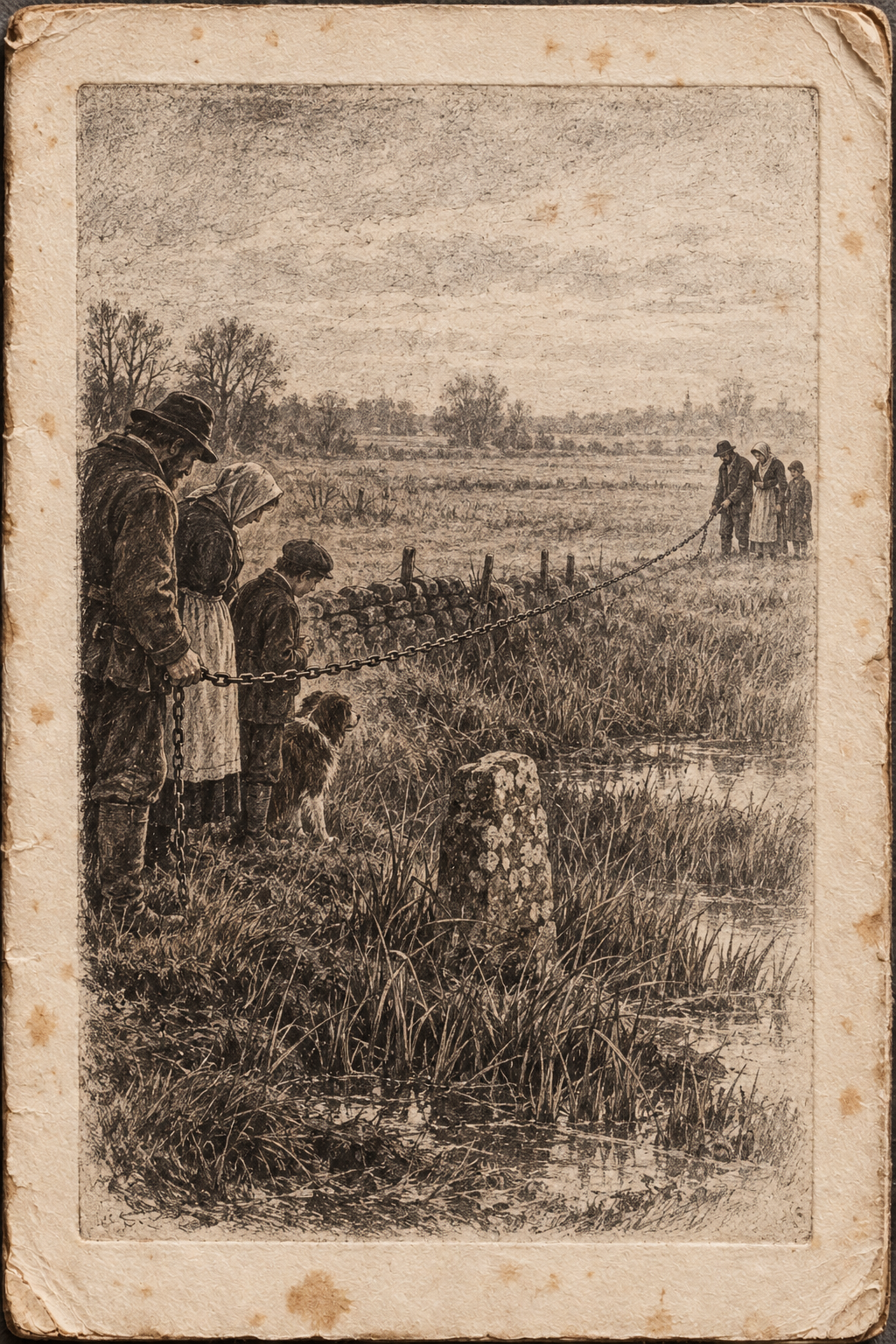
The chaining song of the Snaggs and the Fettles. Sung twice a year, by both families, walking out with the chain. It is a love song and neither family will have it called one.
April and October, out we go, Chain and the deeds and the boundary we don't know, You take the far end, I'll take the near, and we'll not find it this year, my dear, we'll not find it this year. Your grandfather's grant has it east of the carr, My 1519 has it under the scar, One of us is wrong and it's you, that is clear — and we'll not find it this year, my dear, we'll not find it this year. Four hundred summers of the cut direct, Four hundred winters and a deal of respect We'd never have owned to; now sit and have a beer — and we'll not find it this year, my dear, we'll not find it this year. For if we should find it they'd divide it in two, And there'd be an end of it, and an end of you and me, And no April, no October, and no chain and nothing to do — so we'll not find it this year, my dear. We'll not find it. Not this year.