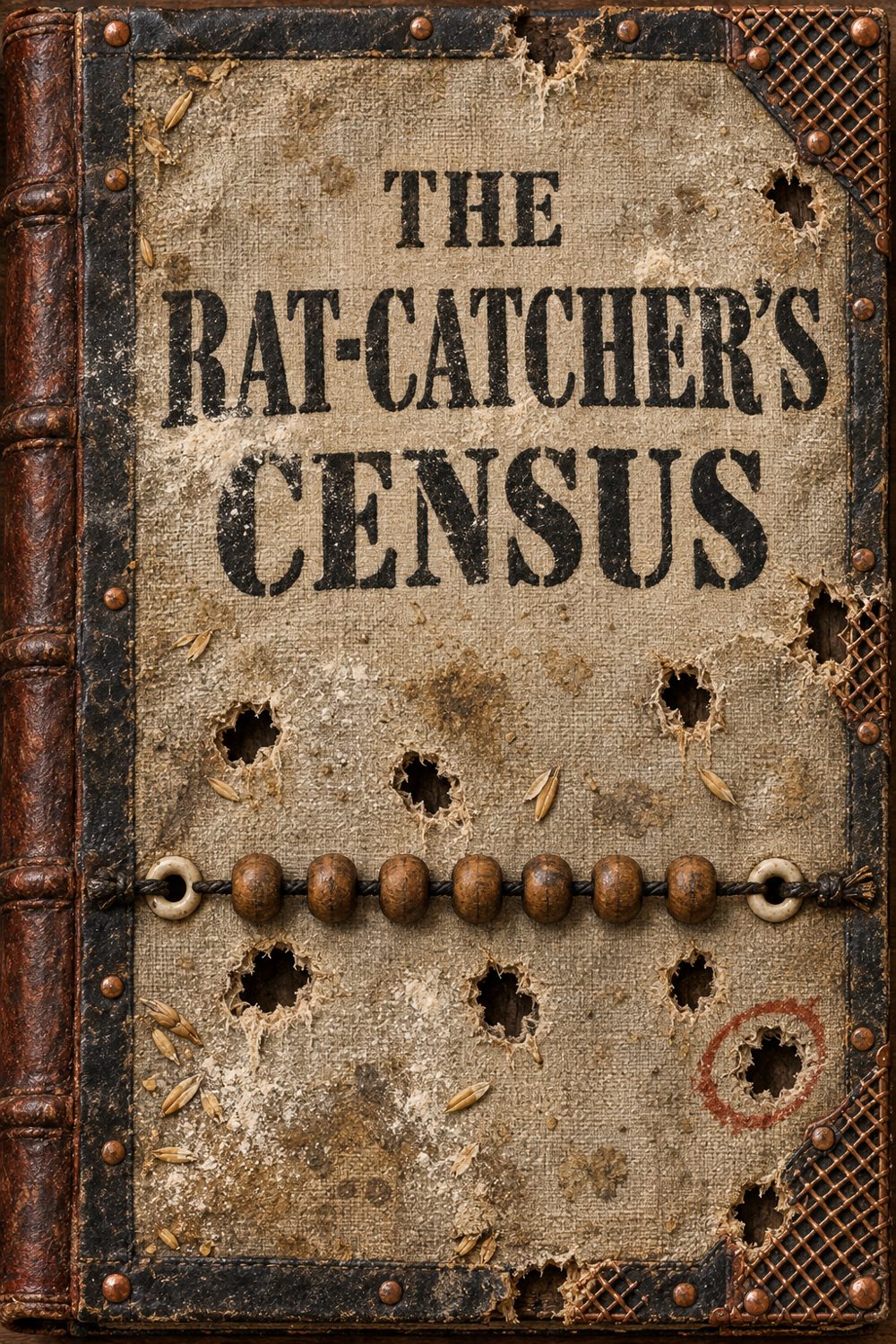
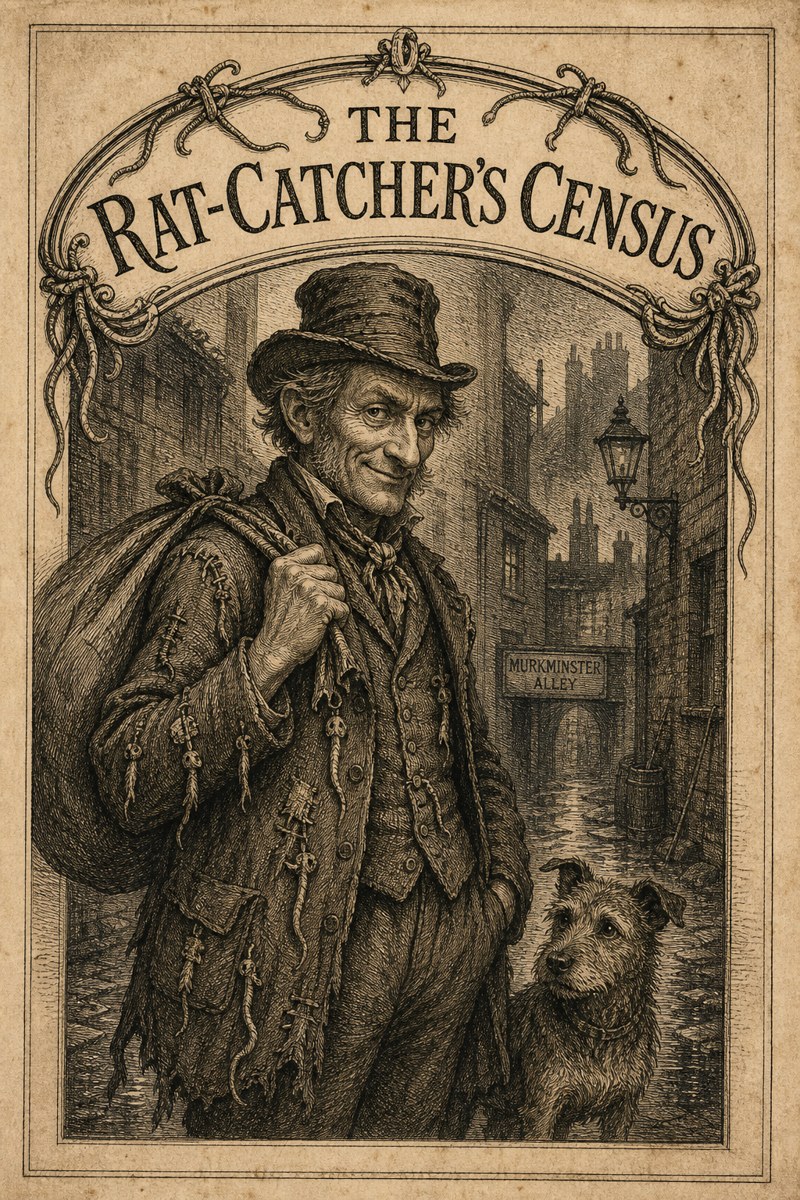
THE RAT-CATCHER'S CENSUS
Contents
A Word Before You Check My Figures
You rate a parish by its church, its harvest, its bells. Fools, all of you. A church lies. A harvest lies worst of anything that grows. A bell will say whatever the man on the rope was told to make it say.
A rat does not lie about a place.
A rat has no vanity. It does not stay where it is respected; it stays where it is fed and dry. Give me the rat-count of a village and I will tell you more true things about it than the Committee could survey in a wet decade — where the grain really is, whose roof really holds, which cottage the family have quietly stopped heating. The rats knew before the neighbours did. The rats always know first.
And I count them. Every one. Paid by the tail, mind — a penny a tail, and no penny yet paid to a man more thorough. Some enumerators, I hear, estimate. Estimate. I have never estimated a rat in my life. I have, on occasion, counted one twice, but only where it plainly deserved it.
Each entry: The Vermin · The Count · The Reading — and the Bill, which is the only figure I stand behind without reservation.
1The Common Brown
The Vermin. Your everyday rat. Damp-loving, bread-stealing, entirely without shame. The Count. High. Reliably, gloriously high. The Reading. A parish thick with common brown is a parish with grain to spare and gaps in its walls — which is to say a comfortable parish, and a generous one, and my favourite sort to be called out to. The Bill: a penny a tail, and I bring my own sack. I will not itemise the sack.
2The Rat That Isn't There
The Vermin. None. The parish swears it is clean. Proud of it. Wants it in writing. The Count. Nil, they say. The Reading. You cannot prove a place has no rats — you can only fail, at length, to find one — so what they are buying is not a count. It is a good night's sleep. I provide it. I search with tremendous visible effort, find nothing, and issue a Certificate of Absence, suitable for framing. The Bill: dearer than a real infestation, since a lie about vermin is more delicate work than the catching, and worth more to the man who wants to believe it.
3The Ship Rat (Saltgate)
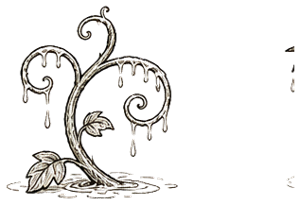
The Vermin. Lean, travelled, superior. Comes ashore off the Isles boats and looks down its nose at our honest fen rats. The Count. Steady, with the tides. The Reading. The only news from abroad that arrives on time and unspoiled. When the ship rats change — a new sort, a new hunger — something has changed out past the mist, and the Committee will hear of it in about a year, and I have known it since Tuesday. The Bill: extra, for the risk. They bite with an accent.
4The Records-Office Rat (Murkminster)
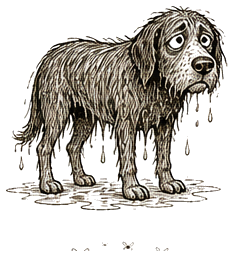
The Vermin. Enormous. Ancient. Has eaten more of the realm's history than any fire. The Count. One. Always one. Never caught. The Reading. I am, by standing order of the Chancery, forbidden to take him, on the grounds that the documents he has eaten are now legally Missing rather than Wrong, which is a far tidier condition for a document to be in. He is the best-fed rat in the kingdom and the only one with a pension. The Bill: none. I am paid, handsomely, to leave him precisely where he is. It is the easiest money in the trade.
5The Rat-King
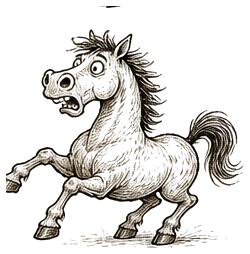
The Vermin. A dozen rats grown together by the tails into one dreadful wheel. A marvel. A horror. A business opportunity. The Count. Counts as twelve for the bill and as one for the tuppence-a-look I charge the village to see it before I hand it in. The Reading. Sogmarsh will pay to be frightened of a true thing far more readily than it will pay to be reassured of a false one. There is a lesson in that, for a careful man. The Bill: see above. I do not apologise for a healthy margin on a genuine wonder.
6The Dog
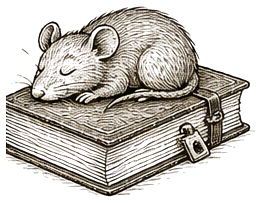
The Vermin. Not vermin. My terrier, Nan. Does the catching. Does the finding. Does, if I am honest, the census. The Count. She does not count. That is my department. The Reading. Every trade has its arrangement. Nan takes the rats; I take the tails to the Committee and the credit to myself; Nan takes a bone and appears content, which is more than can be said for me, and I have the pension in view. The Bill: I do not bill for Nan. Nan is overhead. Do not tell Nan.
7The Reading of a Whole Parish
The Vermin. All of them, tallied, weighed against the parish that owns them. The Count. My life's work. My science. The Reading. Rats-per-roof is the truest health a place can be given, and I give it, unasked and unwelcome, in every taproom I am thrown out of. Thick with rats: fat and safe. Thin of rats: something wrong. No rats at all: the cleanest parish on my round, and I say so, loudly, and charge for the certificate. The Bill: rendered per parish, per annum. Ask Sodden Bottom. Sodden Bottom always pays.

8The Parishes With No Rats
The Vermin. None. Not one. Not for love nor grain. The Count. Zero, three years running. My proudest figures. The Reading. Here is the science at its finest: a village so clean the vermin will not stop in it. I certify these places gold. I hold them up. I have never charged a happier certificate than the one I wrote for the low end of Sodden Bottom, where I could not turn up a single rat if my pension depended on it. The Bill: paid, in full, and gratefully — for who would not pay to be told they are the cleanest place on the round? And I did not think, then, and I do not much care to think, now, that a rat is a low animal with a high sense, and that a place a rat will not stay in for three years running is a place going quietly under, and that the parishes I am proudest of are the ones the water has already spoken to, and only the rats have listened, and left. I count the tails. I do not, as a rule, count the leaving. There is no penny in it.