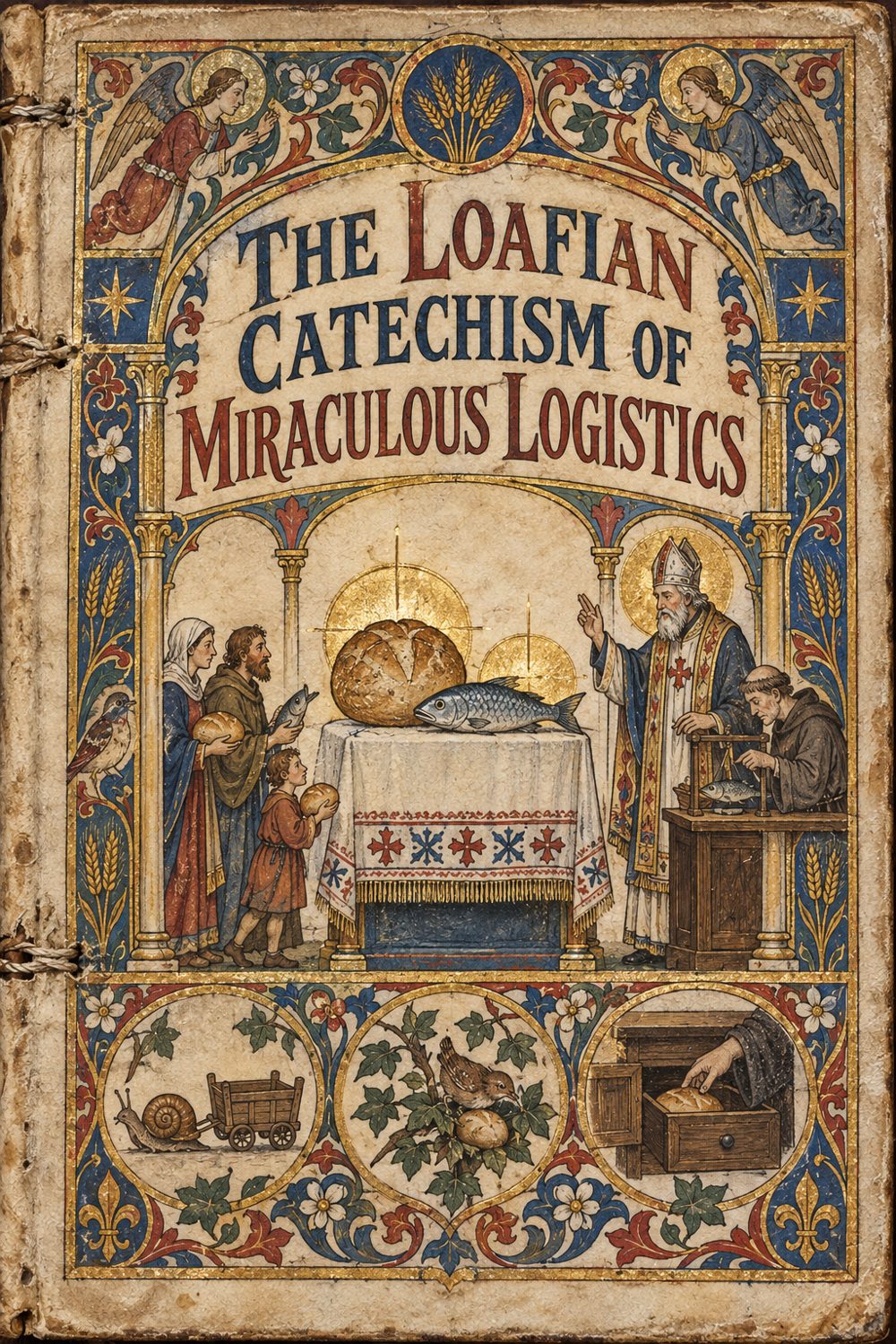
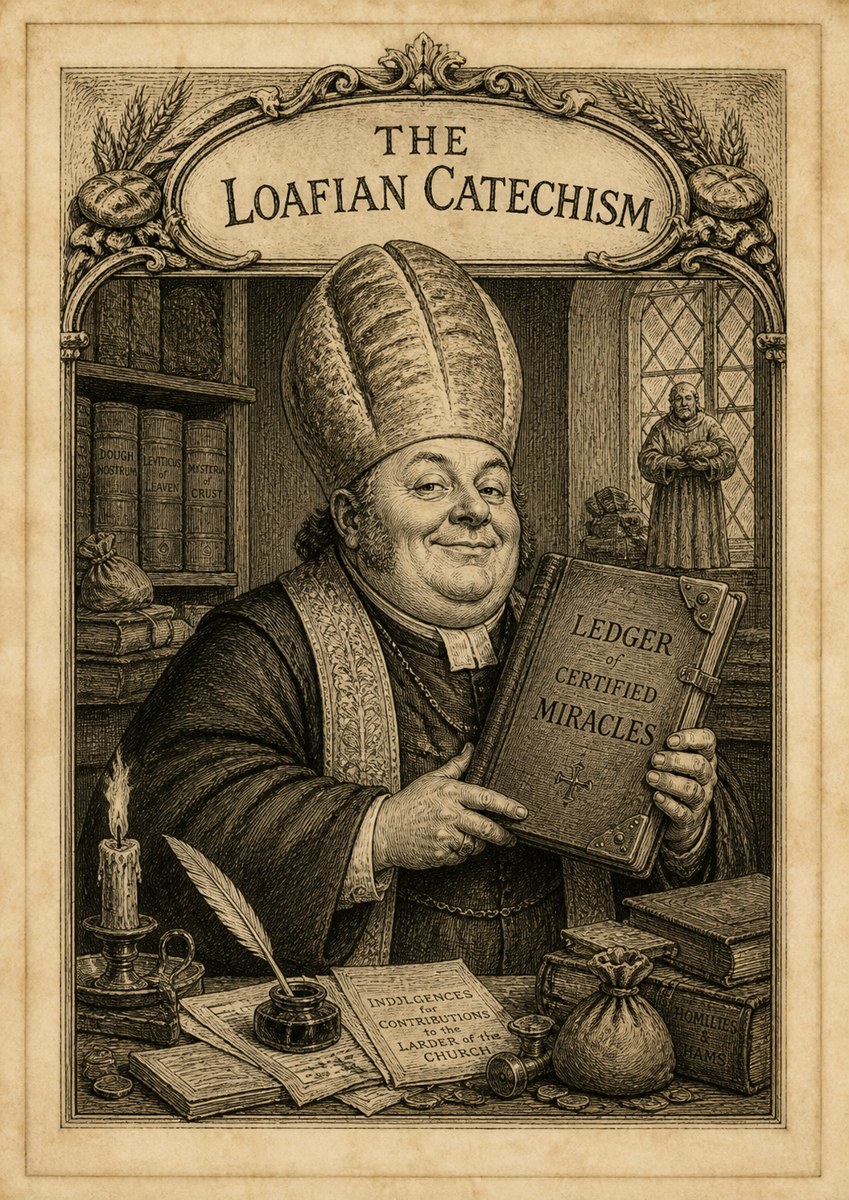
THE LOAFIAN CATECHISM OF MIRACULOUS LOGISTICS
Contents
On the Reading of This Catechism
The unbelievers say we worship a god of bread and fish. This is a vulgar simplification. We worship a god of bread, fish, and sound record-keeping — for what is a miracle, properly understood, but logistics performed at scale and credited to Heaven? The Great Baker fed a multitude with a single loaf and a single fish by the simple expedient of asking everyone to bring their own and declaring the result divine. This is not a trick. This is administration, and administration is holy.
Learn these answers. They will be needed at the gate, at the feast, and — most importantly — at the audit.
Each entry: The Question · The Teaching · The Tithe.
Of the Feeding of the Multitude
The Question. How did the Baker feed five thousand with one loaf and one fish? The Teaching. He did not. They did. He merely organised it, blessed the arithmetic, and took the credit, which is the founding act of all great institutions. That every soul ended with exactly one loaf and one fish is the miracle. That they brought them is the small print. The Tithe. A tenth of what you brought, for the blessing of being allowed to bring it.
Of the Bringing of One's Own
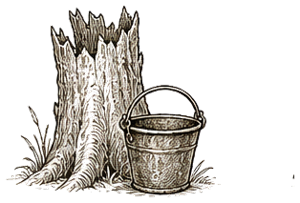
The Question. Why must I bring my own loaf and fish to the feast of plenty? The Teaching. Because plenty, child, is a group project. The Baker provides — provided you provide first. To arrive empty-handed expecting abundance is not faith. It is freeloading, and the Baker sees the freeloader as clearly as He sees the cooked books. The Tithe. The loaf you forgot, we will lend you — a stale one, and a small, suspiciously angry herring — at four hundred per cent, payable in labour, potatoes, or the deed to a wing.
Of Compound Grace
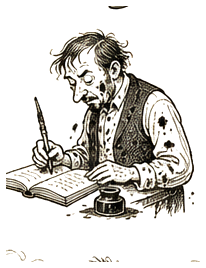
The Question. Can a debt to the Church be forgiven? The Teaching. Forgiveness, like a miracle, is a matter of record. A debt is not forgiven; it is rolled over, with grace accruing daily. We do not seek to ruin the debtor — a ruined debtor pays nothing. We seek the far holier state in which he pays a little, forever, and thanks us. The Tithe. Itself, compounding. (See: House Pennyworth, with whom we maintain a warm and competitive relationship, as fishers of the same waters.)
Of the Potato Heresy
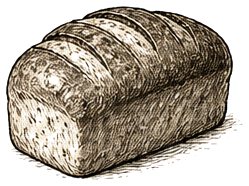
The Question. Lord Bastable offers his tithe in potatoes, declaring them "fish-adjacent." Is this acceptable? The Teaching. It is blasphemy with a straight face, which is the only kind worth condemning. A potato is not a fish. A potato is not a loaf. A potato is what happens when ambition and soil spend too long in the same dark place. We accept wheat, rye, or legally recognised coin. We do not accept agricultural performance art. The Tithe. Doubled, as a penance, and still not in potatoes.
Of the Nature of the Baker
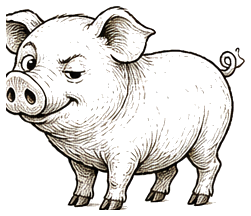
The Question. Is the Great Baker truly a god? The Teaching. (a pause in the text; the hand less certain) …Yes. Technically. He exists; I have felt Him in the rising of the dough and the balancing of the ledger. He is also, I will say only here, small — a minor god in a realm of disinterested ones, kept alive on the belief of the hungry. We do not advertise this. A faith funded by belief must never let on how little there is to believe in. The Tithe. Your discretion. And a tenth.
Of Charity, the Awkward Doctrine
The Question. Does the Church feed the poor? The Teaching. (smaller still) …We are not supposed to, gratis. And yet. On the worst nights, when the village is genuinely starving, I have been known to leave the emergency loaves unledgered — the herring uncounted — and to lose, by clerical error, the records of who took them. The Baker, I think, prefers the books wrong this one way. I shall deny I wrote this. Lesson: even a racket, run long enough by a man who once meant it, will keep one drawer it forgets to charge for. The Tithe. None. Just this once. Don't tell the Pennyworths.
## WHAT THE SECTS BELIEVE (the part Crumb doesn't print)
The Catechism above is the public face — a creditor-cult of tithes and pastry. Beneath it sit three sects, each entirely certain the faith is really about something else, each holding one piece of a thing none of them can name, and each convinced the other two have got it badly wrong. They have been arguing about it for four hundred years and have never once compared notes, on the grounds that the other two are heretics and heretics cannot be trusted with the truth.
- The High Church of the Crust (the upstairs nobles). Worship it as "The Great Architect of the Eternal Loaf" — a cosmic ledger that exists to protect their status. Their creditors do stall. Their debts do go missing. The Church calls this divine protection and sings accordingly; the downstairs sects have another name for a protection that leaves a family bankrupt and irrelevant for four centuries, and nobody has ever produced a third explanation. - The Order of the Sourdough Starter (the downstairs makers — Turnip, Delve, Fizzle). Treat the faith as chemistry and maintenance: to them it is "the Great Oven," "the Yeast Within the Stone." Their scriptures are disguised as safety protocols, structural ledgers and potato-soup recipes, and the Order maintains that the recipes are not really about soup. What can be said for them is that anyone who follows a Sourdough recipe exactly tends to come back up the stairs, and anyone who improvises tends not to. The Order regards this as doctrine. The Fizzles regard it as a coincidence they have never once been willing to test twice. - The Heresy of the Crumb (the outcast miners / House Echo). Whisper to the stone, leave offerings of grease and crust, and track the Echo Tax. They alone insist it is no god at all but something patient and coral-like, waiting for something, and they have done arithmetic about a collapse they say is inevitable. The arithmetic is theirs. Nobody outside the Heresy has ever checked it, and the Heresy has never been asked.
The hymnbook. The Order swears the children's mandatory chapel hymns are, line for line, operating sequences — "turn the third crank clockwise till the brass makes its mark…" — and that the whole of it has been sung in the wrong order for two hundred years. Sung as printed, the hymns do nothing whatever, which the Order holds to be proof that the order matters and the Church holds to be proof that they are hymns. Whatever is or is not buried in them stays buried, not behind a locked door but behind institutionalised boredom: ask why the altar room is wider inside than out and you are told it is "a Traditional Loafian Architectural Flourish" and handed a thirty-page safety audit.